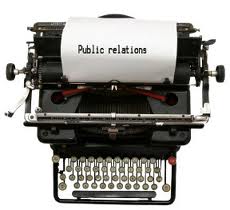
In a recent post last week, (that summarizes the additional sequence of events leading to that post and this), I provided a list of action words to begin to help modernize the definition of public relations. I want to garner peer consensus to define PR for the grassroots level and encourage people to use it in respective channels and with clients and up-and-comers. This topic is not as exciting as SXSW, or s new book ,” but I made a commitment, and I’m going to see this through.
If you’re reading this post for the first time, public relations as a discipline and professionals as an audience are taking a beating from folks who have the dais on national newspapers’ blogs and other key places buoyed by social media. We who uphold public relations image struck back in a show of unity to try and combat the negative publicity. My own commitment is to re-write a definition that’s been done and re-done for years. But, when you look at the definition of PR by the , it’s highly antiquated and confusing, even for a 27-year veteran like me.
So, on the blog link above, there was a list of about two dozen action-oriented descriptions. A handful of people helped pare down the list, and while there wasn’t necessarily consensus, there was agreement in key areas; enough to push us to phase two.
Draft One (Adding all the favorites from the list into one big mashed definition):
Public relations is:
A strategic discipline aligned to business goals that builds, nurtures, and masters human connections and perception; influences and manages reputation, brand and culture while communicating messages across mediums.
Nearly everyone agreed the “for whom” part of what we do is targeted to “diverse audiences, stakeholders and organizations’ publics.”
So, we can add to the end of this initial draft:
A strategic discipline aligned to business goals that builds, nurtures, and masters human connections and perception; influences and manages reputation, brand and culture while communicating messages across mediums to diverse audiences and organization stakeholders.
I’d like to get your thoughts on this lengthy draft to describe public relations. How can this be sliced and diced without losing its emphasis?
Once we dissect it further, I’m going to present the definitions from various other accrediting bodies and references sources side by side. Then we can see if our attempt at modernizing the definition of public relations is worth a hill of beans.